

About
Projects
Publications
People
News
Contact
Decolonial & PoliticalPsychology Research Group
About
RED(es) examines the social and psychological impacts of colonialism and coloniality, with an emphasis on how these enduring structures shape present-day intergroup relations, acculturation processes, and ideological expressions that legitimize inequality. We study how colonial ideologies, social representations, and collective memories of colonialism influence political attitudes and preferences for social and political organization. Beyond these core themes, we address broader questions in political psychology, including conflict and resistance, collective action, immigration attitudes, beliefs about economic systems, left- and right-wing populism, and political polarization.
Theoretically, our work draws on system justification theory, decolonial theory and approaches, social dominance theory, and research on resistance to oppression. Methodologically, we employ large-scale surveys, experimental designs, qualitative interviews, and mixed-method approaches. Our current projects are based in Puerto Rico and the United States, alongside international collaborations in Chile, the Netherlands, New Zealand, and beyond.
While our primary focus is on political psychological phenomena, our decolonial inquiry is pluralistic, welcoming research in cultural psychology (e.g., cultural adaptation and identity negotiation), clinical psychology (e.g., resilience and collective well-being), and personality psychology (e.g., traits and values in diverse sociopolitical contexts). We also invite projects that extend or complement these themes, contributing to the network’s mission. Students are encouraged to pursue topics of interest that align with this broad scope.

Contact
The New School for Social Research
80 Fifth Avenue, 7th floor
New York, NY 10011
Decolonial & PoliticalPsychology Research Group
Decolonial & PoliticalPsychology Research Group
About
RED(es) examines the social and psychological impacts of colonialism and coloniality, with an emphasis on how these enduring structures shape present-day intergroup relations, acculturation processes, and ideological expressions that legitimize inequality. We study how colonial ideologies, social representations, and collective memories of colonialism influence political attitudes and preferences for social and political organization. Beyond these core themes, we address broader questions in political psychology, including conflict and resistance, collective action, immigration attitudes, beliefs about economic systems, left- and right-wing populism, and political polarization.
Theoretically, our work draws on system justification theory, decolonial theory and approaches, social dominance theory, and research on resistance to oppression. Methodologically, we employ large-scale surveys, experimental designs, qualitative interviews, and mixed-method approaches. Our current projects are based in Puerto Rico and the United States, alongside international collaborations in Chile, the Netherlands, New Zealand, and beyond.
While our primary focus is on political psychological phenomena, our decolonial inquiry is pluralistic, welcoming research in cultural psychology (e.g., cultural adaptation and identity negotiation), clinical psychology (e.g., resilience and collective well-being), and personality psychology (e.g., traits and values in diverse sociopolitical contexts). We also invite projects that extend or complement these themes, contributing to the network’s mission. Students are encouraged to pursue topics of interest that align with this broad scope.
Recent News
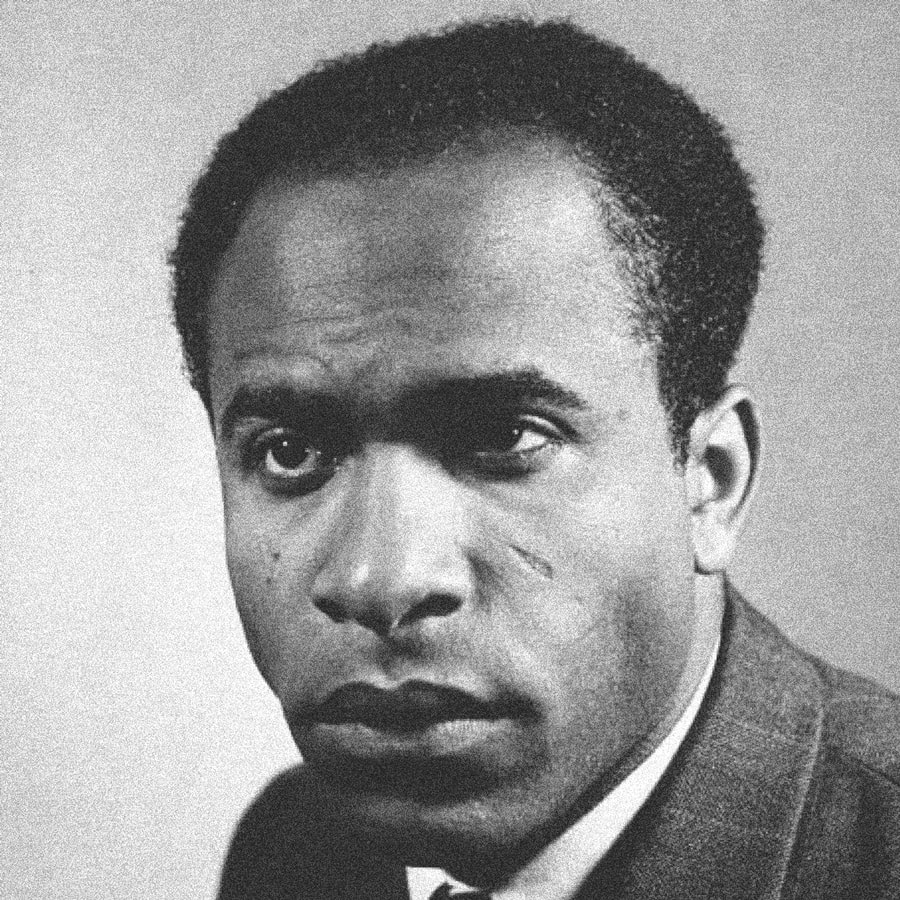
New Publication: Revisiting Frantz Fanon's Sociogenic Principle
October 21, 2026
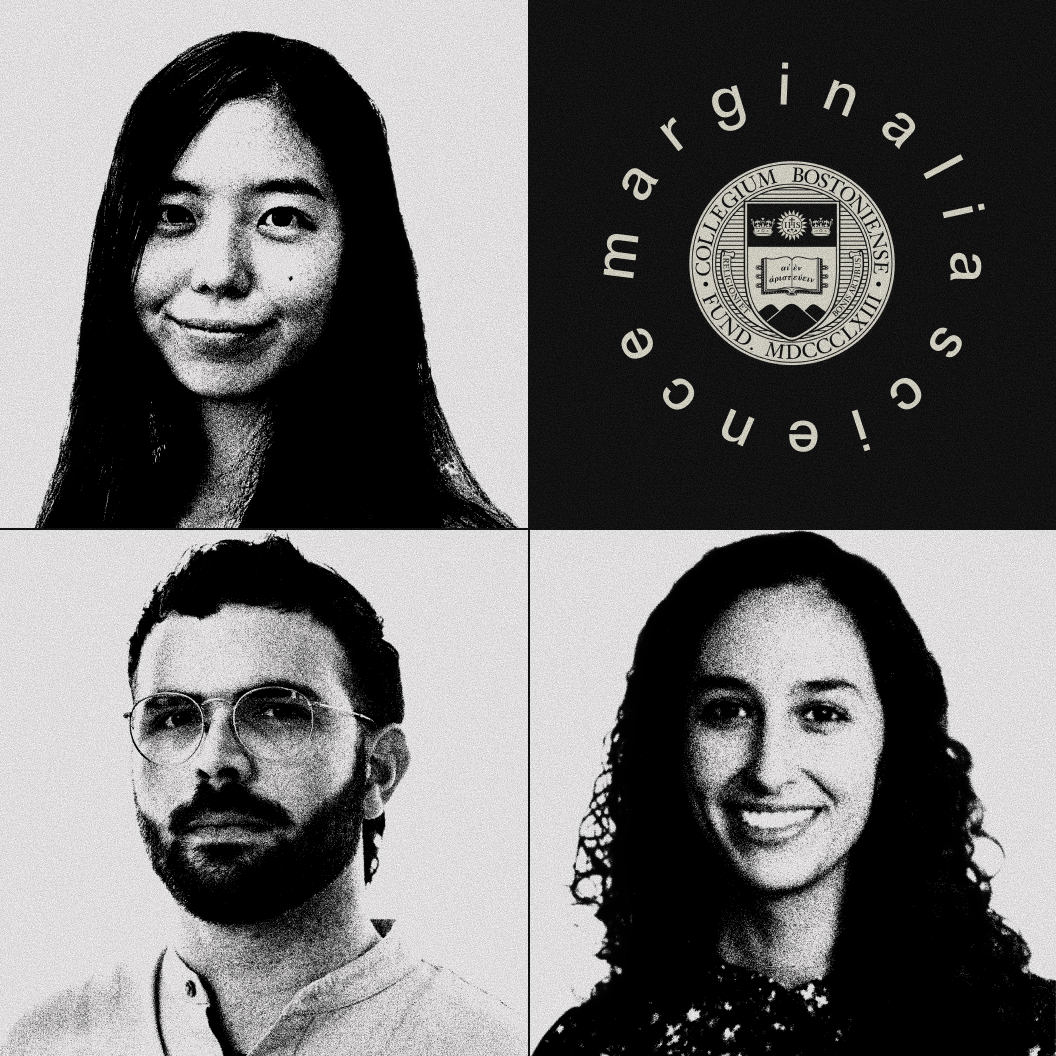
RED(es) Director to Deliver Keynote at Marginalia Science Conference at Boston College
October 21, 2026
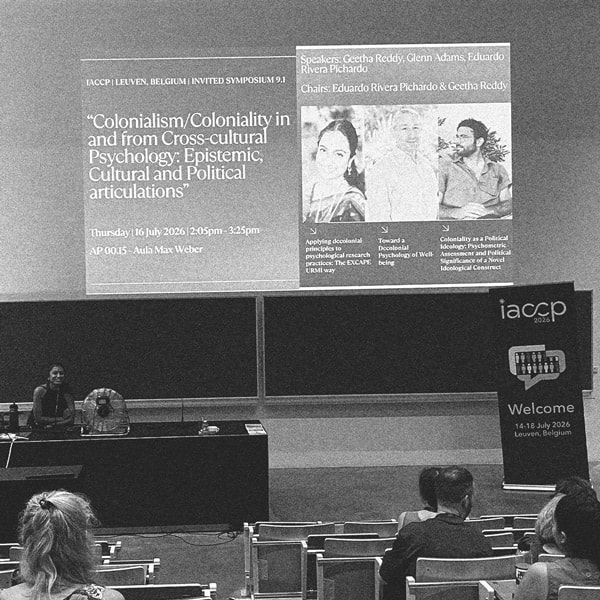
RED(es) Inivited Talk at IACCP 2026 Leuven, Belgium
July 30, 2026
Contact
The New School for Social Research
80 Fifth Avenue, 7th floor
New York, NY 10011
Decolonial & PoliticalPsychology Research Group
Decolonial & PoliticalPsychology Research Group
About
RED(es) examines the social and psychological impacts of colonialism and coloniality, with an emphasis on how these enduring structures shape present-day intergroup relations, acculturation processes, and ideological expressions that legitimize inequality. We study how colonial ideologies, social representations, and collective memories of colonialism influence political attitudes and preferences for social and political organization. Beyond these core themes, we address broader questions in political psychology, including conflict and resistance, collective action, immigration attitudes, beliefs about economic systems, left- and right-wing populism, and political polarization.
Theoretically, our work draws on system justification theory, decolonial theory and approaches, social dominance theory, and research on resistance to oppression. Methodologically, we employ large-scale surveys, experimental designs, qualitative interviews, and mixed-method approaches. Our current projects are based in Puerto Rico and the United States, alongside international collaborations in Chile, the Netherlands, New Zealand, and beyond.
While our primary focus is on political psychological phenomena, our decolonial inquiry is pluralistic, welcoming research in cultural psychology (e.g., cultural adaptation and identity negotiation), clinical psychology (e.g., resilience and collective well-being), and personality psychology (e.g., traits and values in diverse sociopolitical contexts). We also invite projects that extend or complement these themes, contributing to the network’s mission. Students are encouraged to pursue topics of interest that align with this broad scope.
Contact
The New School for Social Research
80 Fifth Avenue, 7th floor
New York, NY 10011
Decolonial & PoliticalPsychology Research Group
Decolonial & PoliticalPsychology Research Group
About
RED(es) examines the social and psychological impacts of colonialism and coloniality, with an emphasis on how these enduring structures shape present-day intergroup relations, acculturation processes, and ideological expressions that legitimize inequality. We study how colonial ideologies, social representations, and collective memories of colonialism influence political attitudes and preferences for social and political organization. Beyond these core themes, we address broader questions in political psychology, including conflict and resistance, collective action, immigration attitudes, beliefs about economic systems, left- and right-wing populism, and political polarization.
Theoretically, our work draws on system justification theory, decolonial theory and approaches, social dominance theory, and research on resistance to oppression. Methodologically, we employ large-scale surveys, experimental designs, qualitative interviews, and mixed-method approaches. Our current projects are based in Puerto Rico and the United States, alongside international collaborations in Chile, the Netherlands, New Zealand, and beyond.
While our primary focus is on political psychological phenomena, our decolonial inquiry is pluralistic, welcoming research in cultural psychology (e.g., cultural adaptation and identity negotiation), clinical psychology (e.g., resilience and collective well-being), and personality psychology (e.g., traits and values in diverse sociopolitical contexts). We also invite projects that extend or complement these themes, contributing to the network’s mission. Students are encouraged to pursue topics of interest that align with this broad scope.
Contact
The New School for Social Research
80 Fifth Avenue, 7th floor
New York, NY 10011
Decolonial & PoliticalPsychology Research Group
Decolonial & PoliticalPsychology Research Group
About
RED(es) examines the social and psychological impacts of colonialism and coloniality, with an emphasis on how these enduring structures shape present-day intergroup relations, acculturation processes, and ideological expressions that legitimize inequality. We study how colonial ideologies, social representations, and collective memories of colonialism influence political attitudes and preferences for social and political organization. Beyond these core themes, we address broader questions in political psychology, including conflict and resistance, collective action, immigration attitudes, beliefs about economic systems, left- and right-wing populism, and political polarization.
Theoretically, our work draws on system justification theory, decolonial theory and approaches, social dominance theory, and research on resistance to oppression. Methodologically, we employ large-scale surveys, experimental designs, qualitative interviews, and mixed-method approaches. Our current projects are based in Puerto Rico and the United States, alongside international collaborations in Chile, the Netherlands, New Zealand, and beyond.
While our primary focus is on political psychological phenomena, our decolonial inquiry is pluralistic, welcoming research in cultural psychology (e.g., cultural adaptation and identity negotiation), clinical psychology (e.g., resilience and collective well-being), and personality psychology (e.g., traits and values in diverse sociopolitical contexts). We also invite projects that extend or complement these themes, contributing to the network’s mission. Students are encouraged to pursue topics of interest that align with this broad scope.
Contact
The New School for Social Research
80 Fifth Avenue, 7th floor
New York, NY 10011
Decolonial & PoliticalPsychology Research Group